The Role of Psychology in Casino Gaming
The psychology of casino gaming is a fascinating area that delves into how players interact with games and make decisions under pressure. Understanding the mental processes behind gambling can significantly influence strategy, potentially enhancing a player’s overall experience. Cognitive biases, emotional triggers, and risk perceptions play crucial roles in determining how individuals approach various games. Players often assess probabilities based on past experiences rather than statistical facts, which can lead to misguided decisions. For those interested in exciting options, the world of offshore online casino gaming offers unique environments that cater to differing psychological motivations and engagement levels.
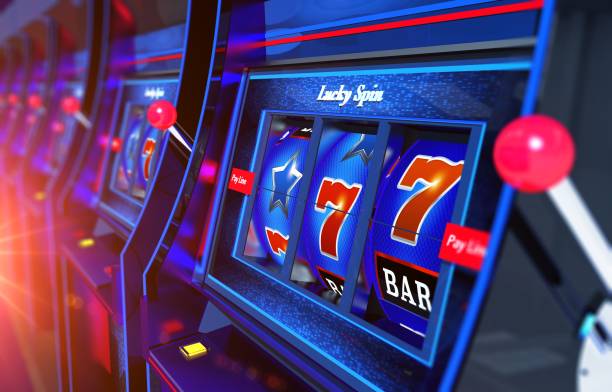
Moreover, casinos often exploit psychological tactics to enhance player engagement. By creating an immersive environment with lights, sounds, and rewards, they trigger emotional responses that can affect players’ choices, often leading them to gamble more than originally intended. This dynamic creates a complex interplay between the player’s mindset and the casino’s environment, which can lead to both enjoyment and potential addiction.
Common Strategies and Their Psychological Underpinnings
Various strategies are employed by players in casino games, each underpinned by distinct psychological elements. For instance, the Martingale strategy, which involves doubling bets after losses, appeals to a player’s desire for rapid recovery and the belief in eventual success. This belief can create a false sense of security, often leading players to take greater risks than they normally would. Understanding this psychological drive is essential for developing a responsible gaming approach.
Another common strategy is the “betting progression” systems used in games like roulette and blackjack. These methods often stem from the gambler’s fallacy, where players believe that previous outcomes influence future ones. This perception can lead to an overconfidence that skews rational decision-making and results in increased stakes. Recognizing these psychological biases is vital for players who wish to employ strategies effectively without succumbing to irrational behaviors.
The Impact of Emotion on Gambling Decisions
Emotion plays a significant role in gambling, affecting decision-making and strategy implementation. High-stakes games can elicit intense emotions, from excitement to frustration, which can cloud judgment. Players often experience a rush during wins and a heightened state of anxiety during losses. This emotional rollercoaster can lead to impulsive decisions that deviate from a player’s original strategy, often resulting in unfavorable outcomes.
Furthermore, emotional states can influence the player’s perception of the game’s fairness and their overall satisfaction. When players are in a positive emotional state, they may be more willing to take risks, believing they can continue their winning streak. Conversely, negative emotions can lead to desperation, fostering riskier behavior in an attempt to recuperate losses. Understanding the influence of emotion on gambling can empower players to make more rational choices and manage their emotional responses effectively.
The Role of Environment and Casino Design
The environment in which gambling occurs significantly impacts player behavior and strategy. Casinos are designed to be visually stimulating and engaging, often using bright lights, sounds, and layout to attract players and keep them engaged for longer periods. The ambiance of a casino is meticulously crafted to encourage social interaction and stimulate excitement, which can lead players to gamble more than they initially intended.
Additionally, the placement of games and the availability of complimentary services, such as drinks and snacks, can create a sense of comfort and allure. This design can manipulate a player’s perception of time and money, making it easier to lose track of both. Understanding these environmental factors allows players to be more aware of the influences at play and to develop strategies that account for these psychological dynamics.

Enhancing Your Casino Experience
To effectively navigate the complexities of casino gaming, understanding the psychological dynamics at play is essential. Awareness of emotional triggers, cognitive biases, and environmental influences can help players develop more informed strategies that enhance their experience while minimizing potential losses. Seeking a balance between enjoyment and responsibility is key, allowing players to engage with games without falling prey to the negative aspects of gambling.
By utilizing the insights gained from exploring these psychological dynamics, players can approach casino gaming with a more informed perspective. Whether it’s setting limits, recognizing emotional states, or understanding the influence of casino design, being prepared can greatly improve one’s chances of having a positive gaming experience. Ultimately, the goal is to enjoy the thrill of the game while maintaining control over one’s gambling behavior.